



TLDR
Acupuncture uses very thin needles placed at specific body points to engage the nervous system and encourage a shift from a high-alert state toward a calmer, more restful one. Research has explored acupuncture for insomnia and sleep quality, with some studies suggesting it supports relaxation, reduces physical tension, and improves sleep patterns for certain people. It works best as one part of a broader sleep-support plan, and your first appointment at a clinic like Ophysio Clinic will focus on understanding your specific concerns before anything else.
Introduction
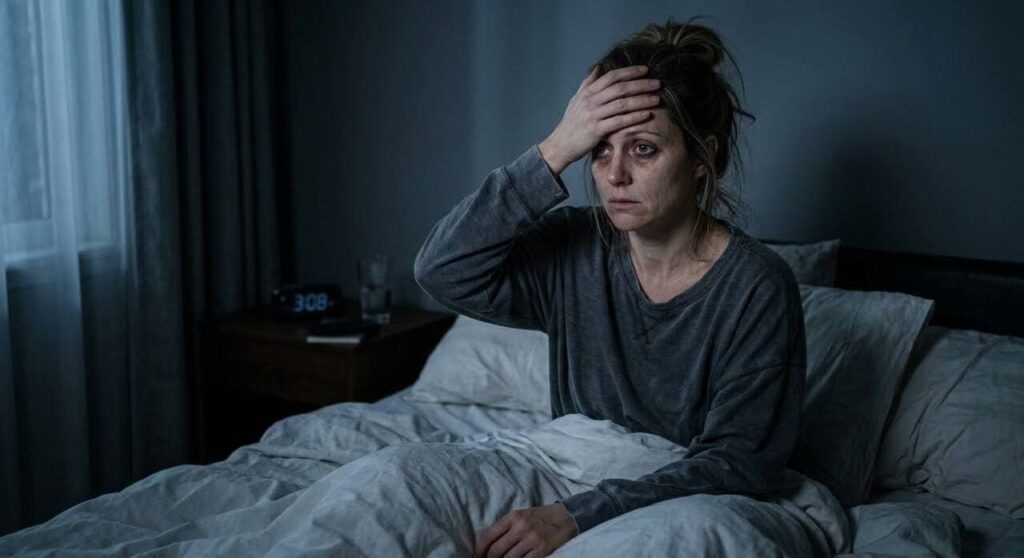
You know the feeling. Your body is exhausted, your eyes are heavy, but the moment your head hits the pillow, your mind switches on. Thoughts pile up, time ticks by, and sleep stays out of reach. You lie there counting the hours until your alarm goes off, dreading the fog that comes with another restless night.
If you’ve been curious about acupuncture for sleep but haven’t taken the step, you’re not alone in your hesitation. Questions come up: Will the needles hurt? What does the room feel like? What actually happens during a session? Those are fair things to wonder about, and this post addresses them directly.
Here’s what we’ll cover: how acupuncture for insomnia and sleep problems is understood to work, what the sensory experience is actually like, what your first appointment involves, and where acupuncture fits within a broader approach to sleep support. No promises about outcomes, just a clear picture of what this looks like from the patient’s perspective.
Why Do Sleep Problems Feel So Hard to Break?
Poor sleep is rarely caused by one thing. Stress, physical pain, irregular schedules, screen exposure before bed, and a nervous system that stays switched on at night all contribute to sleep disruption. The Mayo Clinic notes that insomnia is often tied to underlying stress, anxiety, poor sleep habits, and various medical conditions, which is part of why a single fix rarely solves it.
There’s also a cycle that forms. One night of poor sleep creates daytime fatigue. That fatigue increases tension. The tension feeds worry about whether you’ll sleep again tonight. By the time evening comes, your body is primed for another difficult night. The harder you try to force sleep, the more elusive it becomes.
This cycle often connects to the body’s stress response. When the nervous system stays in a heightened state, it’s harder for your body to downshift into the quiet, physically relaxed state that sleep requires. Circadian rhythm disruption, which refers to shifts in the body’s internal 24-hour clock, adds another layer of difficulty, especially when schedules are inconsistent or evening routines involve stimulating screens and light exposure.
Acupuncture is one supportive option within a broader sleep plan. It is not a replacement for medical care when symptoms are persistent, severe, or connected to conditions like sleep apnea, depression, or significant anxiety. Think of it as something worth exploring alongside other strategies, not instead of them.
How Does Acupuncture Support Better Sleep?
Acupuncture involves placing very thin, sterile needles at selected points on the body to engage the nervous system and sensory pathways. The goal in a sleep-focused session is to encourage the body to shift away from its stress-alert mode and toward a parasympathetic state, which is the body’s rest-and-digest response that supports recovery and sleep.
Research has looked at this connection with meaningful interest. A systematic review published through the NIH examined multiple studies on acupuncture and insomnia, finding that acupuncture showed favorable effects on sleep quality compared to no treatment and some pharmacological options, though the authors noted the need for more rigorous trials. A more recent NIH review on acupuncture for sleep disorders further explored mechanisms including nervous system regulation, melatonin-related pathways, and circadian rhythm support.
In practical terms, acupuncture during a sleep-focused session addresses several things at once:
• Reducing physical muscle tension that accumulates through the day
• Encouraging a quieter, less reactive nervous system state
• Supporting the body’s natural shift toward rest
• Addressing stress-related physical patterns that interfere with sleep onset
Results vary between people. Your response to acupuncture depends on factors like how long sleep problems have been present, what’s driving them, and how your body responds overall. If you’re exploring your options, our acupuncture service page offers more detail about what treatment at our clinic involves.
What Does Acupuncture Actually Feel Like?
This is usually the first thing people want to know, and it’s a fair question. Acupuncture needles are not like the needles used for injections or blood draws. They are extremely thin, about the width of a human hair in many cases, and the experience is quite different from what most people expect.
Common sensations people describe include:
• A brief, mild pinch at insertion
• A sense of heaviness or fullness around the needle point
• Warmth or gentle tingling
• Pressure without pain
The goal is never intensity. Your comfort and communication matter throughout the entire visit. If something feels wrong, sharp, or uncomfortable in a way that doesn’t settle within a moment or two, you say so and your practitioner adjusts. The session is paced to you, not the other way around.
The treatment room itself is typically quiet and calm. You’ll be in a comfortable position, often lying down, with enough time for your body to settle into the session. Some people feel deeply relaxed during the treatment. Some feel grounded or slightly drowsy afterward. Others notice more gradual changes over several sessions. There’s no single experience that applies to everyone.
If you’re a nervous first-time visitor, that’s worth saying out loud when you arrive. A good practitioner adjusts based on your comfort level and takes the time to explain what’s happening before each step.
Can Acupuncture Help Reduce Racing Thoughts at Night?
Racing thoughts at night are often a sign that the body’s stress-alert pattern hasn’t switched off, even though you’re lying in the dark trying to wind down. The mind stays busy because the body is still in a state of readiness, physically tense, subtly activated, and not yet signaling that it’s safe to rest.
Acupuncture addresses the physical side of this pattern. By encouraging muscle relaxation and shifting the nervous system toward a quieter state, it reduces some of the physical tension that feeds mental restlessness. When the body softens, the mind often follows.
That said, acupuncture works best when paired with supportive sleep habits. A few practical ones that complement treatment:
• Dimming lights in the evening rather than using bright overhead lighting
• Keeping a consistent bedtime and wake time, even on weekends
• Reducing screen use in the hour before bed
• Building a calming wind-down routine that signals to your body that sleep is coming
Acupuncture is not a substitute for those habits. It’s a tool that supports the process, especially when you’ve tried the sleep hygiene steps and still find it hard to downshift at night.
What Happens at Your First Acupuncture Appointment?
Your first visit starts with a conversation, not needles. Your practitioner will ask about your sleep patterns in detail: how long it takes you to fall asleep, whether you wake during the night, how you feel in the morning, how long this has been going on. They’ll also ask about stress, physical pain, energy levels, medications, and lifestyle factors that affect sleep.
The intake is thorough because sleep problems are rarely straightforward. Your plan is shaped by your specific goals, sensitivities, and how your body responds, not by a standard protocol applied to everyone.
Before your first session, make sure to mention:
• Pregnancy
• Blood thinners or anticoagulant medications
• A history of fainting or needle anxiety
• Any skin conditions or areas of concern
• Complex or ongoing medical conditions
The visit should feel collaborative. You’re not a passive recipient; you’re an active participant who guides the pacing and communicates how you’re feeling. Your comfort is part of the treatment, not separate from it.
Is Acupuncture a Natural Option for Sleep Disorders?
Many people explore acupuncture when sleep aids leave them feeling groggy the next day, or when they want additional support beyond what they’re already doing. Acupuncture is a non-drug, non-invasive approach that may be a useful complement to other strategies for some sleep concerns.
It’s worth being clear about what acupuncture is and isn’t suited for. If you’re dealing with persistent insomnia, suspected sleep apnea, significant anxiety, depression, or a sudden and unexplained shift in your sleep patterns, those symptoms deserve a conversation with your physician or an appropriate healthcare provider first. Acupuncture fits into a broader plan; it doesn’t replace the medical care that certain conditions require.
A whole-person approach to sleep often includes movement during the day, breathing and relaxation strategies in the evening, consistent lifestyle habits, and professional guidance when the situation warrants it. Acupuncture sits within that framework as a supportive, body-based option that addresses the physical and nervous system dimensions of sleep difficulty.
Key Takeaways
• Acupuncture uses very thin needles placed at specific body points to stimulate the nervous system and encourage a shift from a stress-alert state to a calmer, more restful one.
• A systematic review through the NIH found acupuncture showed favorable effects on sleep quality compared to no treatment, though more rigorous research is still needed.
• Common sensations during acupuncture include brief pressure, warmth, tingling, or heaviness; sharp or intense pain is not the goal, and comfort is monitored throughout.
• Acupuncture addresses the physical tension and nervous system patterns that contribute to racing thoughts and difficulty falling asleep, especially when paired with consistent sleep hygiene habits.
• Your first appointment begins with a detailed intake conversation about sleep patterns, stress, lifestyle, and health history before any treatment takes place.
• Persistent insomnia, sleep apnea, or sleep changes connected to anxiety or depression should be assessed by a physician; acupuncture works best as part of a broader care plan, not as a standalone solution.
Ready to Explore What Acupuncture Might Do for Your Sleep?
If restless nights, racing thoughts, or daily fatigue are weighing on you, you don’t have to keep pushing through it alone. At Ophysio Clinic in Orleans, we take the time to understand your sleep concerns, your comfort level with treatment, and what your body needs to feel more settled. Our approach is patient-led, carefully paced, and grounded in clear communication from start to finish.
Book an acupuncture appointment to explore whether this gentle, supportive approach is a good fit for your sleep goals.
Frequently Asked Questions
Can acupuncture help with sleep problems if my mind races at night?
Acupuncture addresses the physical tension and nervous system activation that often underlie racing thoughts at night. By encouraging the body to shift into a quieter, less reactive state, it reduces some of the physical drivers of mental restlessness. It tends to be most effective when combined with consistent sleep habits and a calming evening routine rather than used as a standalone approach.
Does acupuncture hurt?
Most people find acupuncture feels very different from a standard injection. The needles are extremely thin, and the sensations most commonly described are a brief mild pinch, pressure, warmth, tingling, or heaviness at the needle point. Your comfort guides the entire session, and you can communicate any discomfort at any time so your practitioner adjusts accordingly.
How many acupuncture sessions might I need for better sleep?
The number of sessions varies based on how long sleep problems have been present, what’s contributing to them, your overall health, and how your body responds to treatment. There’s no fixed number that applies to everyone. Your practitioner will review your progress with you after your first appointment and give you a clearer picture based on your individual situation.